3D printing opens up a whole new world of creativity. Imagine designing your own toys, tools, or even art pieces right from home. With a 3D printer, the only limit is your imagination. You can turn ideas into real objects in just a few simple steps.
You don’t need to be a tech wizard to get started. Many printers come with user-friendly software that makes designing a breeze. You can either create your own designs or download thousands of free models from websites like Thingiverse. Want a custom phone case or a unique figurine? It’s all possible!
3D printing is also perfect for hobbyists. Whether you're into crafting, building models, or even creating functional items, you can create something unique without breaking the bank. Plus, you can experiment with different materials and colors to make your creations stand out.
Got kids? They’ll love 3D printing! It’s a fun way for them to learn about technology and design. You can work together to come up with cool projects, sparking their creativity and curiosity about how things work.
Discover Fun Projects to Try
3D printing opens up a whole new world of exciting projects. Whether you’re a beginner or a seasoned pro, there’s always something fun to create. Here are a few project ideas to get your creativity flowing!
Custom Phone Cases: Give your phone some personality by designing a custom case. Use your printer to create a case that fits your style perfectly. You can add unique patterns, colors, or even your name!
Home Decor: You can create stunning pieces for your living space. Think planters, wall art, or even unique vases. A 3D printer can help you bring your artistic vision to life, and it’s a great conversation starter.
Functional Gadgets: Why not print everyday items to make life easier? From cable organizers to quirky fridge magnets, the options are endless. You’ll love how a little creativity can solve everyday problems.
Toys and Games: If you have kids or enjoy gaming, try your hand at printing toys. You can make action figures, board game pieces, or even unique puzzles. Not only is it fun to create, but it’s also a great way to bond with family and friends.
Choosing the Right 3D Printer
Next, consider the type of materials you want to work with. Most printers use either PLA or ABS filaments. PLA is a fantastic choice for beginners. It’s easy to use, eco-friendly, and comes in tons of colors. ABS, on the other hand, is strong and great for functional parts but does require a heated bed and good ventilation. If you're ready to dive into resin printing, that’s a whole different ballgame with amazing detail, but it comes with its own set of challenges.
Don’t forget to look at the size of the build area. If you're planning to make larger projects, a printer with a bigger build volume is a must. But if you’re mostly making smaller items, a compact printer might be just fine. Also, keep an eye on print speed and layer resolution. Faster printers can save you time, but sometimes, a slower printer gives you better quality prints.
Finally, check out community support and resources for the printer you’re considering. A strong community can really help when you run into issues. Look for printers with a ton of tutorials, forums, and active users. It can make your 3D printing journey a lot smoother and more fun!
Tips for Getting Started Fast
If you’re itching to dive into the world of 3D printing, here are some quick tips to help you get started without any hiccups.
First off, pick the right printer. There’s a ton of options out there, from budget-friendly models to high-end ones. Think about what you want to create. If you’re just starting, something like a basic FDM printer is a great choice. They’re user-friendly and perfect for everyday projects.
Next, familiarize yourself with slicing software. This is where the magic happens! Programs like Cura or PrusaSlicer can feel a bit overwhelming at first, but they’re essential for turning your 3D models into printer-ready files. Spend some time playing around with the settings. You’ll learn what works best for your printer and projects.
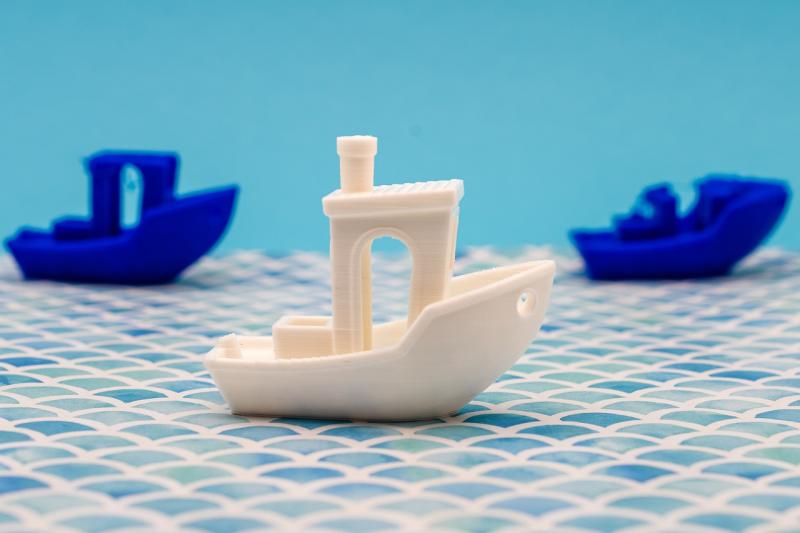
Don’t skip the test runs! Always print small calibration models before jumping into bigger projects. It helps you fine-tune your settings and get a feel for how your printer operates. A simple test print like a calibration cube can save you from larger failures later.
Lastly, join a community! Whether it’s online forums, Facebook groups, or local maker spaces, being part of a community can boost your learning curve. You’ll find loads of inspiration, tips, and support from fellow 3D printing enthusiasts. The more you connect, the more fun you’ll have!