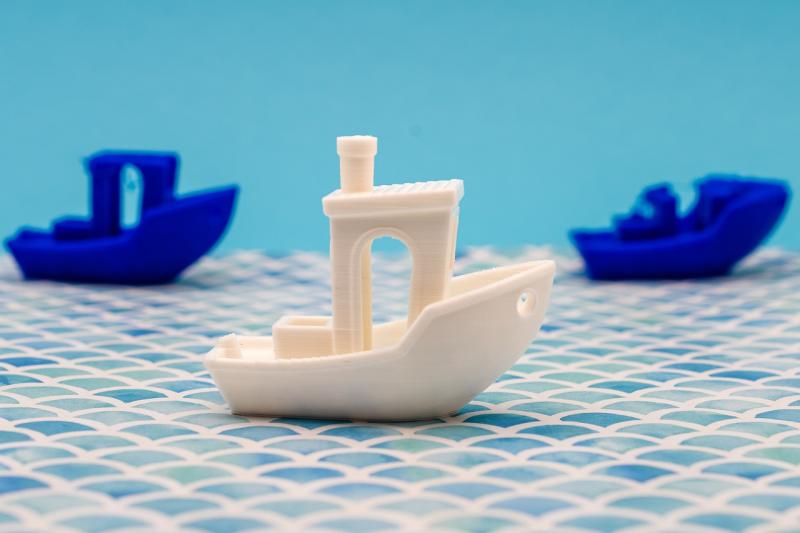
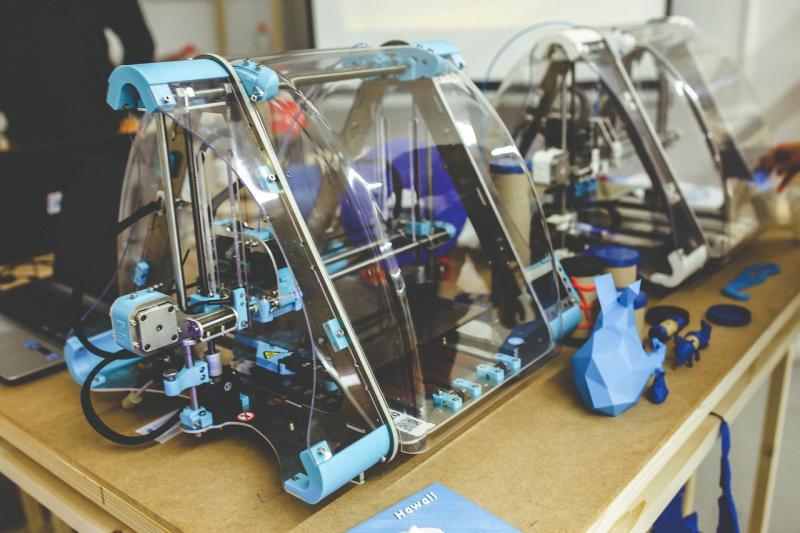
3D printing might sound super fancy, but at its core, it’s all about creating stuff layer by layer. Imagine baking a cake, but instead of batter, you’re using materials like plastic or metal. You start with a base, then keep adding layers until you’ve got a cool object. That’s basically how a 3D printer works!
First off, you need a digital model. You can design one yourself using software or download tons of free designs online. Once you've got your model ready, you send it to the printer. The printer then reads the model and starts building it from the bottom up. This additive process means you only add what you need, which cuts down on waste.
Different printers use different materials. Some use filaments made of plastic, while others might use resin or even metal powders. Each type of material affects how sturdy, flexible, or detailed your final product will turn out. Make sure to pick the right one for your project.
Don't worry about being a tech genius to get started. There are plenty of user-friendly options out there. Most printers come with easy setups and guides, so you can dive right in. Plus, there's a big community of makers online, so if you get stuck, help is just a message away. Happy printing!
Choosing the Right 3D Printer
When it comes to picking the perfect 3D printer, it can feel a bit overwhelming. But don’t worry! Just think about what you really need and how you plan to use it. The first step is figuring out your budget. 3D printers can range from a couple hundred bucks to several thousand, so it’s good to know how much you’re willing to spend.
Next, consider the materials you want to use. Most entry-level printers work well with PLA and ABS filament, which are great for standard projects. If you’re looking to create something with more strength or visually stunning finishes, check out printers that can handle advanced materials, like nylon or resin.
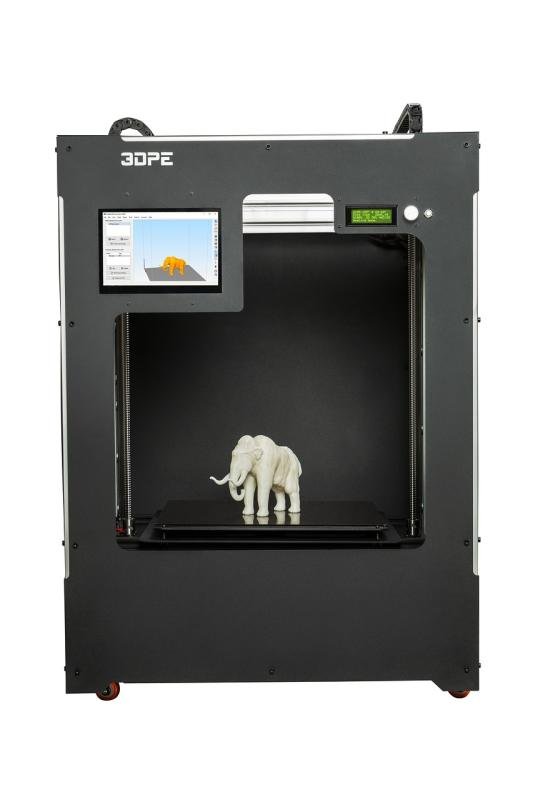
Think about size, too. Do you want to print small figurines or do you have bigger projects in mind? Take a quick look at the build volume, which is the maximum size of an item the printer can handle. Having enough space matters if you have grand ideas!
Don’t overlook ease of use! Some printers come with features like touchscreen interfaces and automatic bed leveling, making the whole process smoother, especially if you’re a beginner. Plus, check if the brand has solid customer support and an active community. That’s super helpful when you need tips or run into any hiccups.
Lastly, check out reviews and user experiences. People often share their thoughts online, and these can help you narrow down your options. You want to be confident that the printer you choose is reliable and does what you need it to do.
Top Brands in 3D Printing
When diving into 3D printing, knowing the top brands can help you find the right printer for your needs. Let’s break down a few standout companies that have made a name for themselves in the 3D printing world.
First up is Creality. They’ve become a go-to for many hobbyists and professionals alike. Creality printers are known for their affordability without skimping on quality. The popular Ender series offers great value and is super easy to set up, making it perfect for beginners.
Next, we can’t forget about Prusa Research. Founded by Josef Prusa, they offer some of the best printers on the market. The Prusa i3 MK3S+ is a favorite for its fantastic print quality and reliability. Plus, the community around Prusa is vibrant, which means tons of support and resources to help you out.
Anycubic is another brand worth mentioning. They provide a wide range of options, from budget-friendly models to high-end printers. The Anycubic Photon series is particularly popular for resin printing, creating stunning details that are perfect for miniatures and intricate designs.
Lastly, let’s highlight Ultimaker. If you’re looking for something robust for professional use, Ultimaker’s printers are top-notch. They’re designed for high-performance printing with advanced features like dual extrusion and smart material handling. It’s a solid choice if you're ready to invest in serious quality.
Tips for Successful 3D Printing
Starting your 3D printing journey can be a blast, but there are a few tips to keep in mind to help things run smoothly. First, always make sure your printer is properly calibrated. A well-calibrated printer will give you better prints and save you a lot of headaches down the line. Take the time to learn how to level the bed and adjust the nozzle height. It makes a huge difference!
Choosing the right filament is key. Not all filaments are the same, and each type has its quirks. PLA is great for beginners because it’s easy to work with and doesn’t require a heated bed. If you want something a bit sturdier, consider ABS. Just keep in mind it can warp without proper settings. Always keep a few spools of different filaments on hand to experiment!
Temperature matters. Filament has a specific temperature range it works best at. Play around with temperatures to see what works for your specific printer and filament type. A good rule of thumb is to check the recommended settings from the filament manufacturer. Trust me, it's worth it to avoid those frustrating print failures.
Don’t forget about cleaning your print bed. A clean surface helps your prints stick better and come out smoother. You can use isopropyl alcohol to wipe it down before starting a print. It’s a simple step that can really enhance your final product.
Finally, patience is your best friend. Some prints can take hours, or even days, depending on the complexity. Don’t rush the process. Keep an eye on your printer as it works and be ready to address any issues that pop up. Enjoy the journey of creating awesome 3D objects!