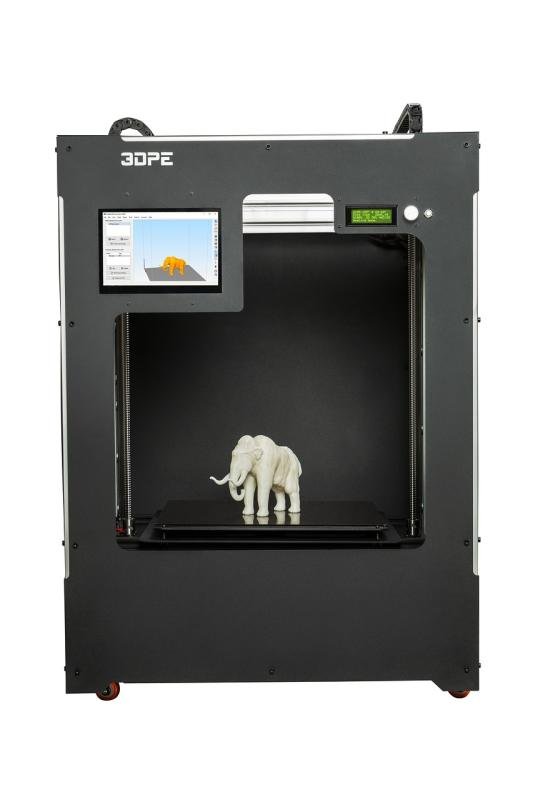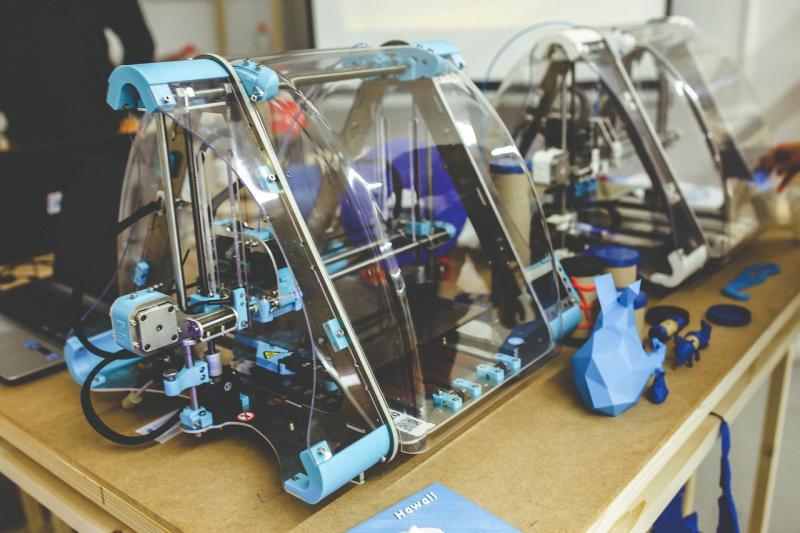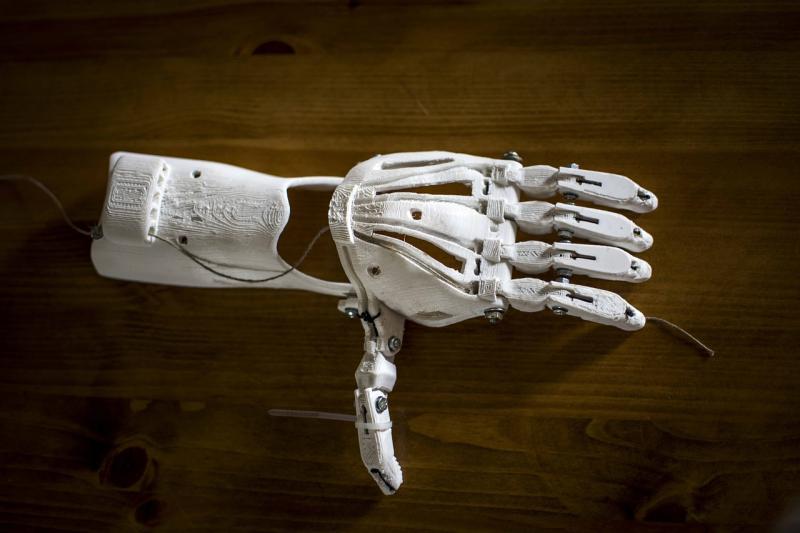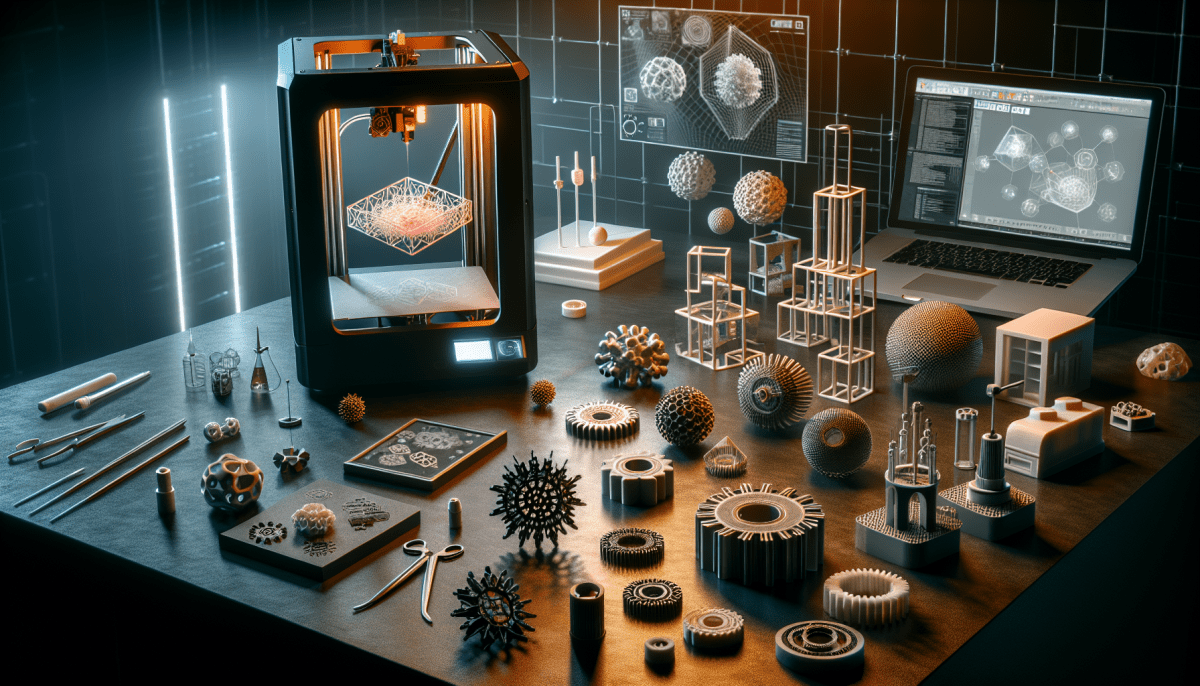
3D printing is a super cool technology that turns digital designs into real-life objects. It’s like magic, but instead of waving a wand, you use a printer! You start with a 3D model created on a computer. This model can be anything from a little figurine to complex engineering parts.
Once you have your design, the 3D printer starts its work. It lays down thin layers of material, usually plastic, resin, or even metal, building up your object layer by layer. After some time, you’ll see your idea take shape right before your eyes! It’s pretty thrilling to watch.
People use 3D printing for all sorts of projects. Hobbyists and artists might create unique pieces for fun, while engineers and businesses often use it for prototyping. It’s a great way to test designs without spending a fortune on traditional manufacturing methods.
The best part? You don’t need to be a tech genius to get started. There are plenty of user-friendly 3D printers out there, and a ton of online resources to help you learn. Plus, the community around 3D printing is super welcoming, so you'll find lots of support and inspiration.
Essential Gear You Need
Starting with 3D printing? You’ll want to make sure you have a few essential tools and materials ready to go. Let’s break it down to keep things simple.
First off, a good 3D printer! Look for options like the Creality Ender 3 or Anycubic i3 Mega. They’re user-friendly and perfect for beginners. You'll want to ensure your printer has a good build volume and strong community support—this makes troubleshooting way easier!
Next up, filament. PLA is the go-to for newbies. It prints beautifully, doesn’t warp, and is super easy to work with. Grab a couple of rolls in different colors to get your creative juices flowing. Don’t forget some storage for your filament to keep it dry and safe.
Lastly, invest in basic tools. A spatula for removing prints, pliers for any stubborn bits, and some sandpaper for smoothing out edges will make your life easier. Optional but helpful: a digital caliper for precise measurements and a cleanup kit for that extra finesse.
With these essentials, you'll feel confident and ready to dive into the world of 3D printing. Happy printing!
Choosing the Right Printer
Picking the right 3D printer can feel overwhelming, especially with all the options out there. But don’t stress! Start by figuring out what you want to create. Are you into models, toys, or maybe even functional parts? Knowing your goal makes it a lot easier to find a printer that fits your needs.
Next up, consider the type of printing technology. The two most common are FDM (Fused Deposition Modeling) and SLA (Stereolithography). FDM printers are great for beginners and are usually budget-friendly. They melt plastic filament and layer it to create your item. On the flip side, SLA printers use resin and light, giving you super detailed finishes. They can get pricey but are ideal for intricate designs.
Don’t overlook the build size, either. If you plan on printing larger items, look for a printer with a bigger build volume. But if you’re sticking to smaller designs, a compact printer will do just fine. Also, take note of the materials you can use. Some printers only work with specific types of filament, while others offer more flexibility.
Lastly, check out the community and support around the printer. A solid community means you’ll find tons of resources, tips, and troubleshooting help. Some brands also have great customer service, which is a huge plus when you run into questions. Take your time and do a little research. It’ll pay off when you're happily printing away!
Tips for Getting Started
Jumping into 3D printing can feel a bit overwhelming at first, but it’s super exciting once you get the hang of it. Here are some tips to help you hit the ground running.
First off, pick the right printer. If you’re just starting out, look for a beginner-friendly model. Something with easy setup and good support is key. Check out user reviews and forums to see what people are saying about reliability and ease of use.
Next, familiarize yourself with slicing software. This is crucial because it translates your 3D model into a format the printer understands. Spend some time learning how to set up print settings like layer height and speed. Don’t worry; most software has user-friendly tutorials you can follow.
Don’t forget about the materials! PLA is a great choice for newbies since it’s easy to work with and doesn’t need a heated bed. As you gain confidence, you can explore other types like ABS or PETG for different projects.
Finally, be patient and don’t be afraid to experiment. Your first few prints might not turn out perfectly, and that’s totally okay. Learn from each attempt, tweak your settings, and celebrate your successes, no matter how small!